- calendar_today August 14, 2025
New England’s real estate market in 2025 is evolving amid shifting interest rates and demographic realignments. While the Federal Reserve has slowed rate hikes, investor caution remains high across Massachusetts, Connecticut, Rhode Island, New Hampshire, Vermont, and Maine. Developers and buyers are recalibrating—prioritizing consistent returns, high-demand locations, and properties aligned with long-term regional trends.
So, which property types are standing out this year? Across New England’s mix of urban cores and scenic small towns, seven real estate sectors are attracting sustained investor interest. These asset classes are not only weathering macroeconomic shifts—they’re adapting to the region’s unique dynamics and growth opportunities.
Multifamily Housing: The Reliable Performer
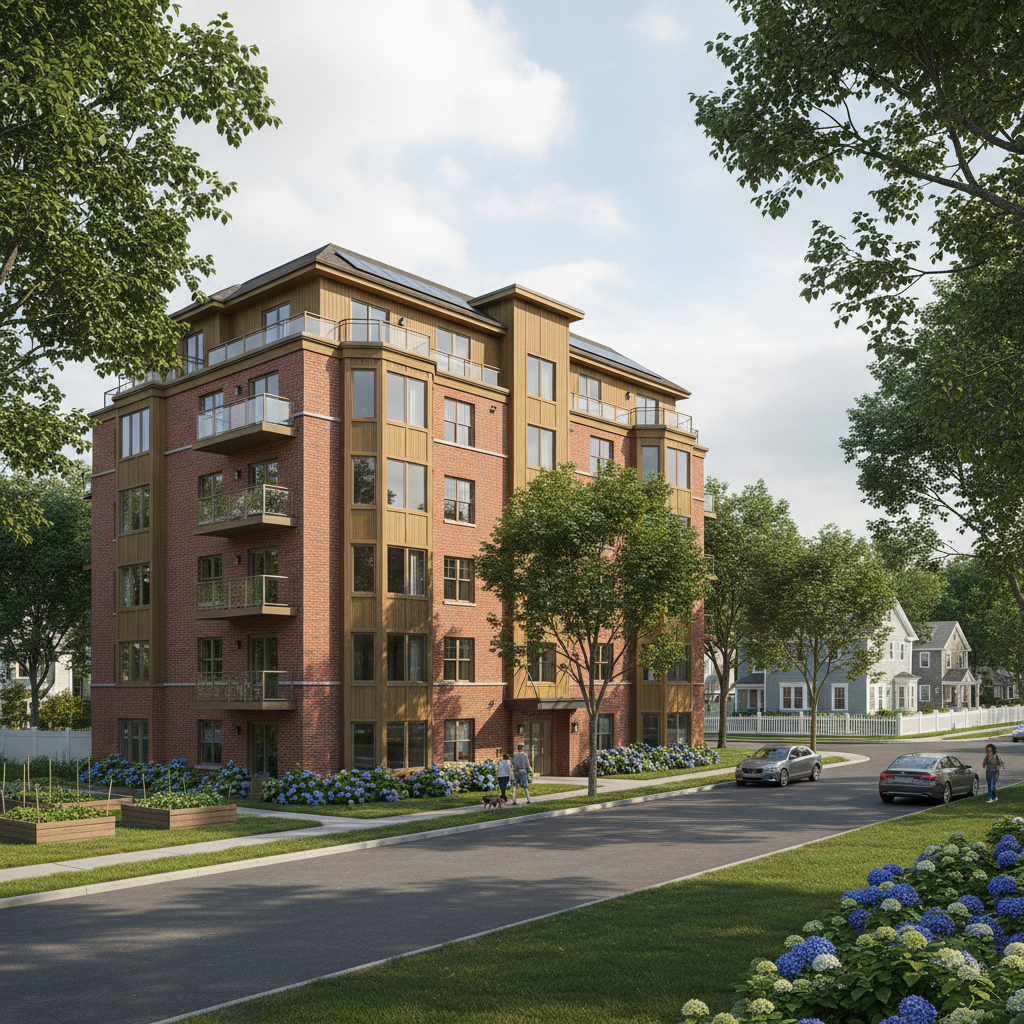
Multifamily housing remains a stable and high-demand investment throughout New England. With homeownership costs still out of reach for many—particularly in metro Boston—Class B and C apartment buildings are absorbing a large portion of the renter population. Areas like Worcester, Providence, Manchester, and New Haven are seeing vacancy rates dip below 5%, per CBRE’s latest regional data.
Mid-rise apartment buildings and build-to-rent communities are gaining ground in Connecticut’s suburbs and Massachusetts’ Gateway Cities. These properties offer affordability, proximity to job hubs, and reliable cash flow. Rent growth remains healthy at around 3% in stabilized submarkets, especially when paired with strong management and light renovations.
Industrial Properties: Still a Growth Engine
New England’s industrial sector is thriving, driven by e-commerce, regional distribution demand, and a reshoring of manufacturing. Key corridors around Worcester, Springfield, and southern New Hampshire are seeing historically low vacancy rates—often under 4%. In places like the I-495 belt and Hartford-Springfield region, warehouse space is tight and rents are climbing.
JLL’s 2025 Northeast report highlights a 6.5% year-over-year rent increase for industrial properties in New England. Cold storage, biotech manufacturing space, and last-mile distribution facilities are particularly attractive. With Boston’s life sciences industry continuing to boom, industrial real estate is evolving to meet both healthcare and logistics needs.
Single-Family Rentals in Suburban Markets
The trend of moving from urban centers to suburban enclaves is evident across New England. Working families and remote professionals are seeking detached rentals in places like Nashua, Stamford, Portland (ME), and the Berkshires. With housing prices elevated and borrowing still expensive, single-family rentals (SFRs) offer flexibility without long-term commitment.
Roofstock’s 2025 Investor Sentiment Index reports rising demand for SFRs in New England suburbs with strong schools and quality of life. Towns with commuter access to Boston or Hartford are particularly attractive. SFRs offer dependable tenants, lower turnover, and steady rental increases—making them a favored choice for local and institutional investors alike.
Urban vs. Rural Migration: Small Cities Gaining Ground
Unlike broader national trends that favor the Sun Belt, New England’s population shift is more nuanced. While Boston and Providence remain strong, smaller cities like Bangor, Burlington, and Keene are quietly benefiting from remote work and lifestyle shifts. Affordable living, historic charm, and natural amenities are drawing both retirees and younger families.
Investors are beginning to follow this migration by targeting value-add opportunities and new developments in these secondary markets. Infrastructure funding and university expansions are helping towns like Amherst, Middletown, and Brattleboro see new life. These markets offer lower acquisition costs and strong long-term upside, especially with strategic planning.
Mixed-Use Developments & Downtown Revival
After pandemic-era slowdowns, New England’s mid-sized downtowns are rebounding. Walkable, mixed-use neighborhoods are emerging in cities like Portland (ME), New Haven, and Lowell. These developments combine residential units with coworking spaces, boutique retail, and restaurants—all within pedestrian-friendly districts.
Even in Boston’s outlying neighborhoods like Dorchester and East Boston, developers are reinvesting in community-driven, mixed-use spaces. While zoning and permitting remain complex in many parts of New England, forward-thinking investors see long-term value in these live-work-play environments. Younger tenants, in particular, are driving the demand for amenity-rich, car-optional living.
Niche Assets on the Rise: Senior & Student Housing
Senior housing is becoming a focal point across New England, especially in southern Maine, coastal Rhode Island, and western Massachusetts. The region’s aging population is creating demand for assisted living, memory care, and independent senior communities. According to NIC MAP Vision, occupancy in the Northeast climbed to over 86% in Q1 2025, with even higher rates in retirement-friendly towns.
Student housing is also rebounding strongly in college towns like Amherst, Hanover, and Cambridge. With in-person classes firmly restored, students are demanding modern, connected, and social-ready accommodations. Developers are responding with furnished units, high-speed internet, and common areas that cater to student lifestyles—boosting pre-lease rates and long-term value.
Risk Factors and Investment Cautions
Real estate across New England presents unique risk profiles. Coastal areas in Massachusetts, Rhode Island, and Maine are facing rising insurance costs due to flood exposure and climate-related risks. Investors in these regions must account for infrastructure upgrades and higher premiums.
Zoning and regulation remain major considerations. Local permitting processes in cities like Boston and Portland are notoriously slow and complicated. Rent control measures, inclusionary housing rules, and green building codes may affect timelines and ROI.
While interest rates are no longer surging, financing costs remain higher than pre-pandemic levels. In capital-intensive projects—like downtown redevelopments or ground-up construction—investors must apply conservative models and secure flexible financing.
Expert Insight: What the Analysts Say
“New England’s diversity in submarkets gives investors a range of options, from stable multifamily assets to emerging industrial hubs,” says Lauren Bellingham, a senior economist at CBRE. “But local expertise and community alignment are crucial in a region where every town has its own permitting and demographic character.”
Redfin’s 2025 Housing Trends report underscores the importance of affordability, migration, and higher-ed presence in driving the region’s real estate performance. Analysts agree: granular data analysis and regional fluency are the keys to strong returns.
Strategic Diversification is Key in 2025
New England investors in 2025 are thriving when they embrace diversity—both in asset class and geography. Multifamily housing remains foundational, while industrial properties serve as the region’s quiet outperformers. Single-family rentals are capturing migration demand, particularly in transit-accessible suburbs.
Mixed-use redevelopment is bringing vibrancy back to old downtowns, and niche sectors like senior and student housing are benefiting from clear demographic trends. The gap between stagnating and thriving local markets is widening, making informed, precise investing more vital than ever.
With strategic diversification and a sharp eye on regional trends, investors across New England are poised to capitalize on a market that values stability, location intelligence, and community relevance.