- calendar_today May 18, 2026
New England, renowned for its rich literary and artistic traditions, is now host to a bold new engagement with the supernatural and the unconventional through the lens of queer paranormal. An innovative exhibition at Bennington College draws on the mysterious undertones of Shirley Jackson’s acclaimed novel, The Haunting of Hill House, using paranormal art to examine queerness, societal norms, and the subtle presence of difference.
Shirley Jackson’s Legacy Reconsidered
Set in Vermont in 1959, Jackson’s Haunting of Hill House explores ambiguous paranormal events that resonate deeply with themes of non-conformity and hidden desire. The queer paranormal exhibition draws direct inspiration from her work, positioning the supernatural both as metaphor and method for exploring what exists on society’s margins. The novel’s exploration of haunted spaces aligns powerfully with the lived experience of those facing social exclusion, forming a subtle dialogue between literature and contemporary queer theory.
Art as a Portal to the Unseen
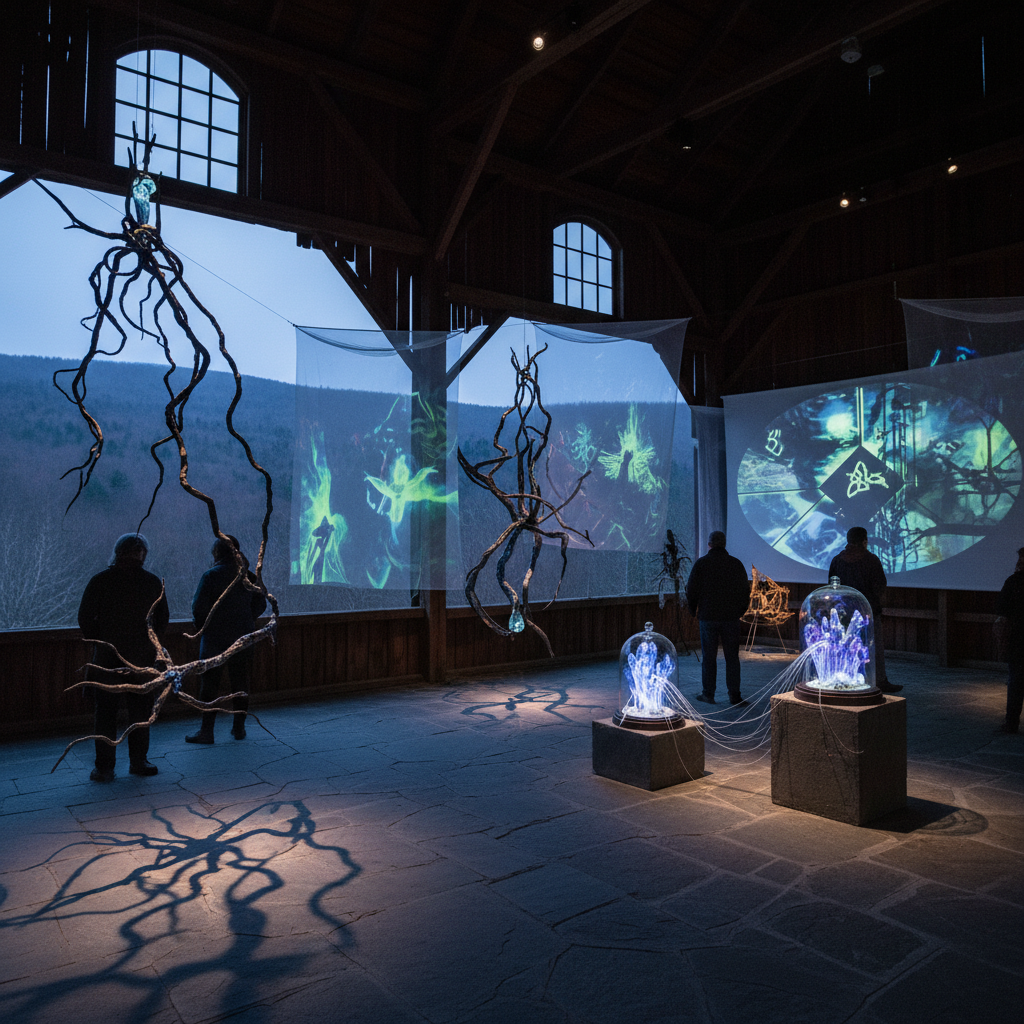
This expansive exhibition at Bennington College gathers the work of ten artists, each using video, sculpture, and installation to interrogate historical, political, and sexual difference. Their projects challenge viewers not only to see otherwise, but to recognize the hidden forces—race, gender, sexuality, and difference—that shape both personal and collective identity in New England and beyond. Through the lens of paranormal art, the exhibition makes manifest what is often left unseen or unsaid in traditional narratives.
Highlight Installations: Vibrations and Flora
Among the standout pieces is Senem Pirler’s “Unearthly Vibrations,” a sexually charged art installation that uses sound to playfully highlight the submerged erotic undercurrents of the supernatural. The work evokes the dissonance and humor that can arise when forbidden desires find expression through unconventional means. Nearby, APRIORI’s outdoor tableau forges a link between local flora and paranormal communication, suggesting that nature itself may be a conduit for otherworldly expression and marginalized voices.
Reclaiming Haunted Spaces for Queer Histories
Other featured artists, including Sasha Wortzel and Anna Campbell, offer powerful meditations on haunted spaces as repositories of marginalized memory. Their work draws a line from the hidden tragedies of the aids crisis to the closing of historic queer safe spaces, reminding viewers of the losses and resilience that define lgbtq history. These installations animate the idea that the past, no matter how haunted, is intrinsic to the ongoing fight for visibility and acceptance within communities across New England.
Queer Art and Social Transformation
Throughout the exhibition, artists celebrate difference as a vital source of transformation. By employing strategies rooted in queer art and theory, the show underscores a central point: genuine social change often stems from shifting perceptions and embracing new perspectives. The gallery thus becomes a space where visitors can ‘see otherwise,’ embodying the radical potential of queer thought and creative practice.
Connecting Community and Legacy in New England
The queer paranormal exhibition at Bennington College connects regional audiences with wider movements in contemporary art and cultural critique. By inviting viewers to encounter the supernatural as both a phenomenon and metaphor, the show illuminates the persistence of difference and the hope for transformation. As haunted spaces and hidden histories come into view, New England’s enduring reputation as a cradle of dissent and experimentation finds fresh relevance in the stories of those who have long dwelled at society’s thresholds.