- calendar_today August 10, 2025
Gift shop gutted: Fire hits beloved Jurassic museum in LA
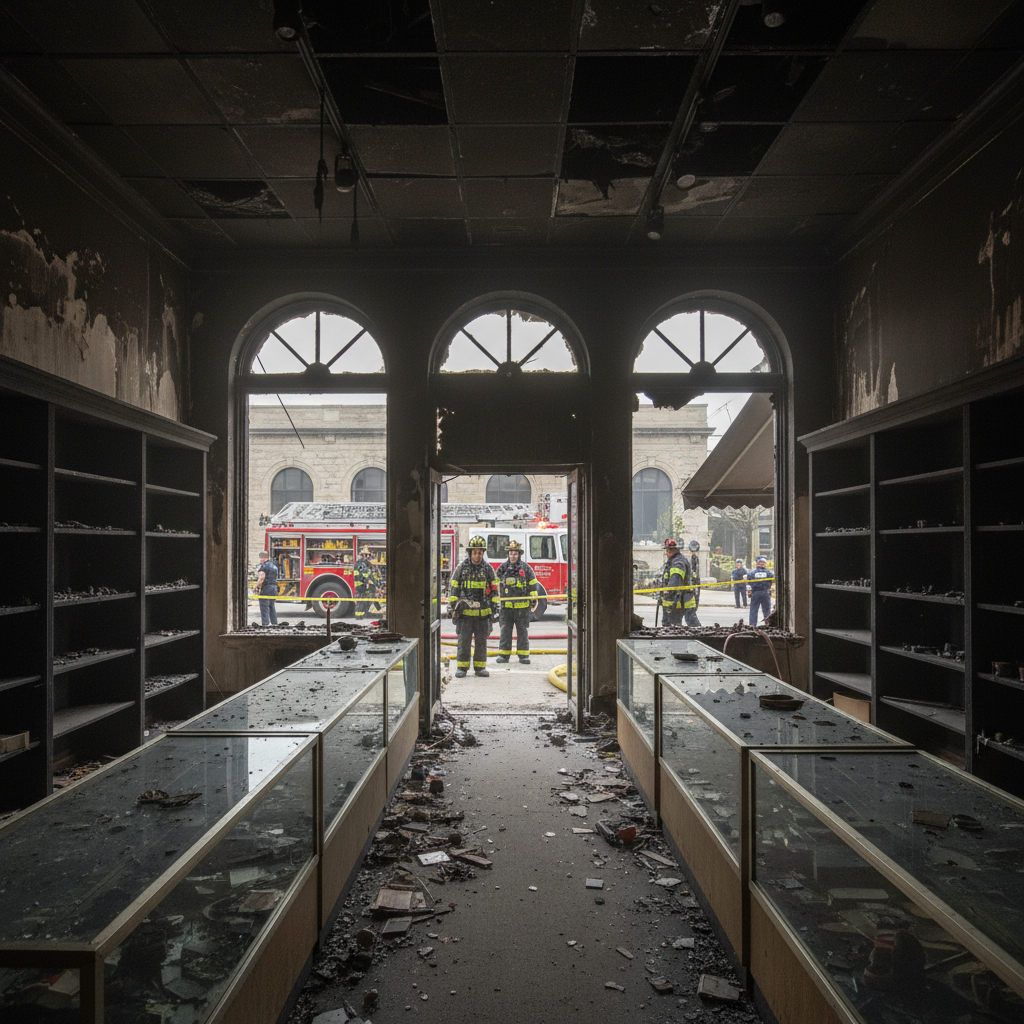
One of Los Angeles’s most singular institutions is still reeling from a nighttime fire that caused serious damage to the building earlier this month. Late on July 8, flames broke out in the MJT, destroying the museum’s gift shop and spreading smoke throughout much of the interior. Expected lost revenue during the museum’s temporary closure is around $75,000; the MJT is hoping to reopen sometime next month.
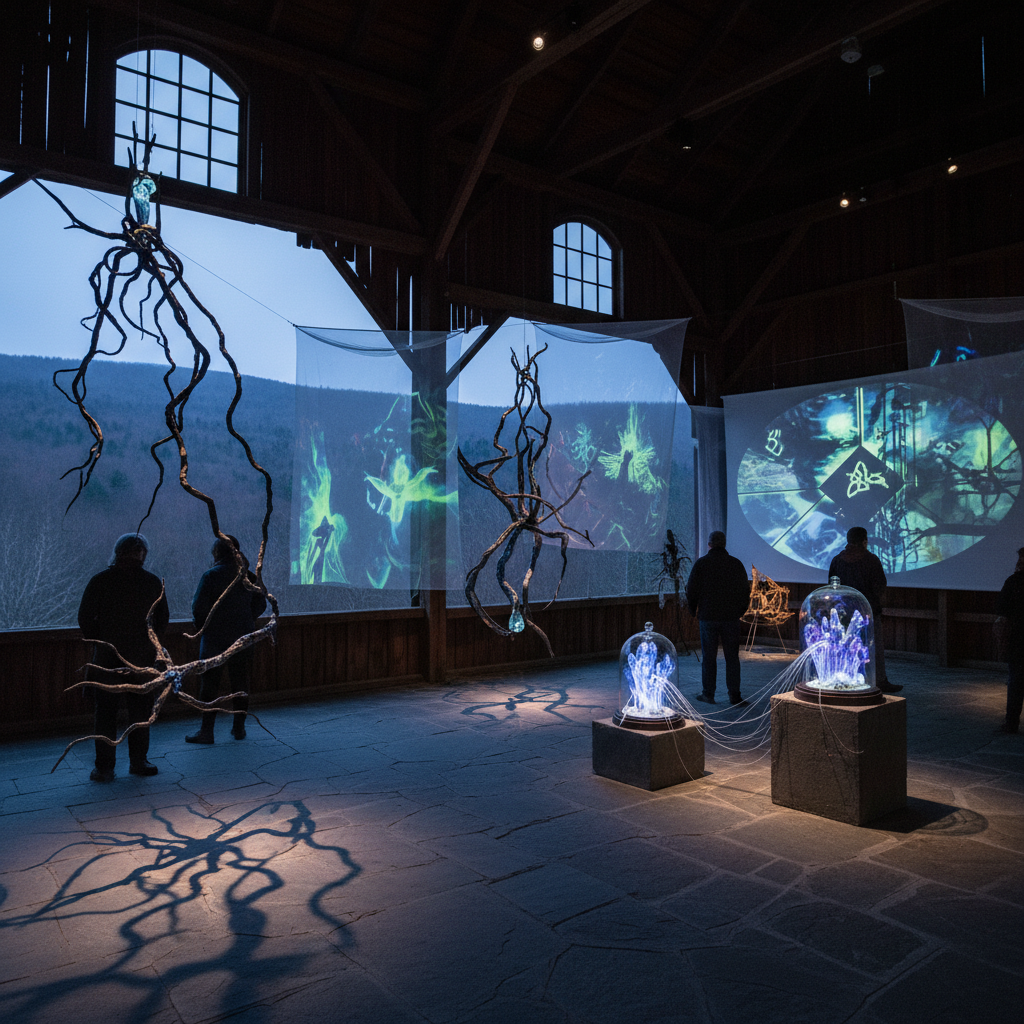
The Museum of Jurassic Technology (MJT) in Culver City has for years maintained a strange and cultlike reputation in LA’s cultural scene. Founded in 1988 by David Hildebrand Wilson and Diana Drake Wilson, the museum has a history of luring patrons into its gift shop with intentionally confounding, and often questionable, exhibits. The museum claims to be “dedicated to the advancement of knowledge and the public appreciation of the Lower Jurassic,” but has little to do with that geologic period in particular. Instead, the MJT is more in the spirit of wunderkammer, or “cabinets of curiosity,” from the Renaissance period, some of the first manifestations of the modern museum.
The MJT has, in recent decades, built on that tradition of meta and layered storytelling, though some of the exhibits housed within its walls are more historically accurate than others. The museum’s current collection on view includes a permanent exhibit touting the works of Athanasius Kircher, a true 17th-century Renaissance man and Jesuit priest, while another one is focused on the ultra-miniature sculptures of Armenian artist Hagop Sandaldjian, which are so small that they are displayed in the eye of a needle and are carved from a single human hair.
Other displays are more esoteric. Decomposing dice once owned by magician Ricky Jay fill an entire room, while “The Garden of Eden on Wheels” visually documents Los Angeles-area trailer parks. The museum has also featured stereographic radiographs of flowers, microscopic mosaics made from butterfly wing scales, and a collection of bizarre letters penned by amateur astronomers to the Mount Wilson Observatory in California between 1915 and 1935. For over a decade, the MJT has operated a Russian tea room based on the study of Tsar Nicholas II in the Winter Palace in St. Petersburg.
Firefight and Aftermath
Writer Lawrence Weschler, who published a meticulous and well-sourced account of the fire in an essay online, is the author of Mr. Wilson’s Cabinet of Wonder, a 1996 book that looks into the provenance of several of the pieces on display at MJT. In Weschler’s recounting, David Wilson, who lives in a residence behind the museum building, was the one who first noticed the fire from his bedroom window. “A ferocious column of flame,” was how Wilson described the scene to Weschler, leaping up the corner of the building’s outside wall that faces the street.
Wilson then grabbed two fire extinguishers and made a mad dash to the front of the building, where the fire had originated. However, the extinguishers he had were not enough to get the blaze under control. Thankfully, his daughter and son-in-law came upon the scene moments later with a more powerful extinguisher and were able to stifle the flames just before firefighters arrived. Firefighters later told Wilson that if they had arrived one minute later, it is likely they would not have been able to save the entire building.
Damage to the museum, however, was fairly extensive, though mostly limited to the gift shop. Smoke had filled most of the museum’s interior, and Wilson described the damage as looking “as if someone had poured a thin creamy brown liquid—milk in a very thin bechamel sauce, for instance—so that the upper half of all the surfaces—the walls, the vitrines, the ceiling, the carpets, and eyepieces, everything—had been evenly poured over.” Smoke infiltration is a notoriously difficult challenge to address, particularly in a facility like the MJT, which prides itself on detail and presentation. The museum’s staff and volunteer force have been working to scrub and repair the damage, a process which Weschler described as “slow and backbreaking.”
In the meantime, Weschler has been encouraging patrons to contribute to the museum’s general fund to help offset some of the losses. He has also pointed to some of the works in the museum as a touchstone, like the exhibit showcasing the writings of amateur astronomers, a reminder that the MJT is “one of the most truly sublime institutions in the country” and “a unique, absolutely sui generis space.”
The exact timetable for reopening is still unclear, but there is optimism that the museum will return to its strange ways sooner rather than later. A museum as singular as the MJT, a satirical work of scholarship as much as a work of surrealism, has more than its share of fans—patrons who believe in the museum’s resilience just as much as they believe in the museum itself.