- calendar_today August 14, 2025
Economic Stir As Federal Reserve Leaves All Rates Stable
The Federal Reserve’s latest step in maintaining interest rates at current levels has seen New Englanders guessing what the move will mean to the region’s economy. Inflation may be decreasing compared to previous years, but high borrowing costs still exist, touching companies, house purchasers, and consumers. The region’s diverse economy of finance, technology, health care, and manufacturing now falls under the effect of the Fed’s action.
With the central bank sending warning signals to be careful, economic strategists and Massachusetts, Connecticut, Rhode Island, Vermont, New Hampshire, and Maine professionals are preparing for a period of sluggish economic growth. Everyone is arguing whether the Fed will choose rate cuts during the second half of 2025 or stick to its present course. Whatever the decision, the decision will have long-term implications for the New England economy.
The Impact of High Interest Rates on the New England Real Estate Market
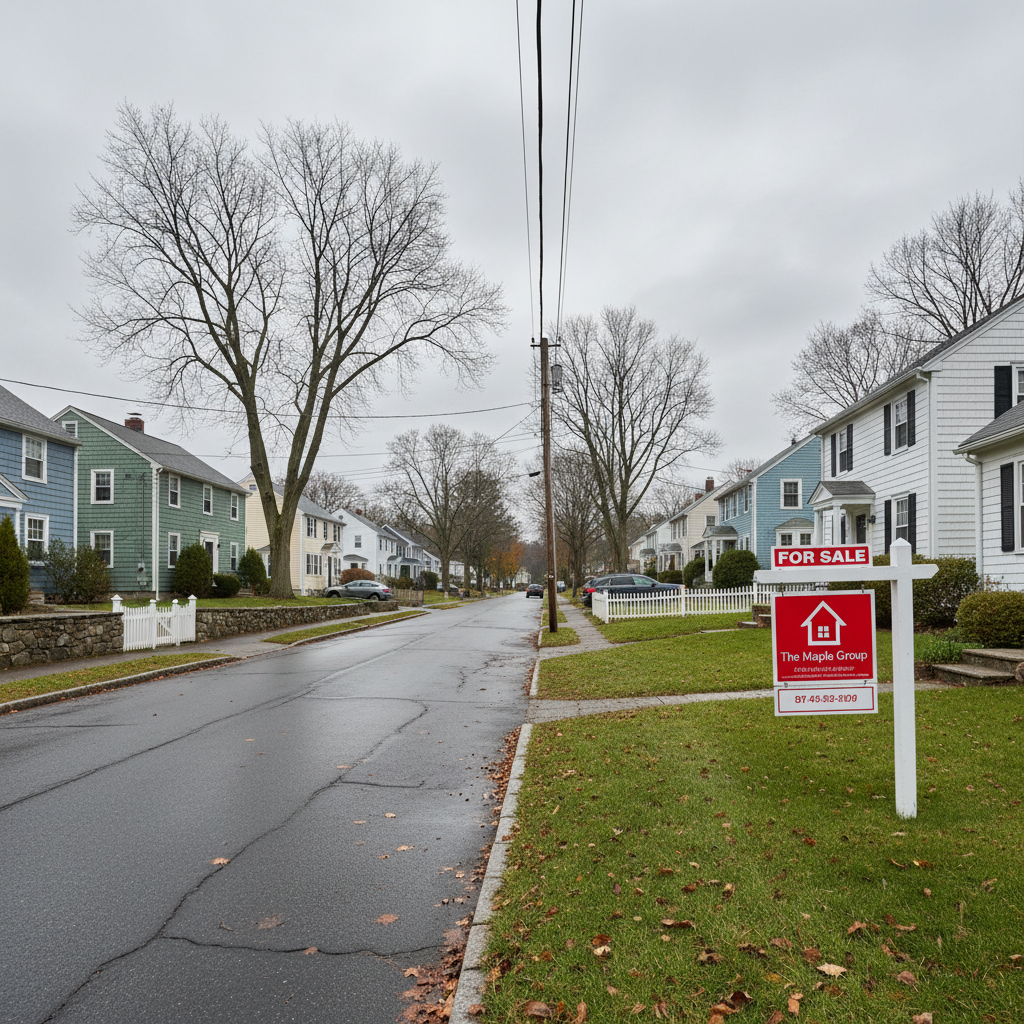
New England’s real estate market has already been forced to pay the price of high mortgage rates. It is hard for homeowners to purchase homes since the homes remain very expensive and borrowing is adding to the cost of homeownership. In Massachusetts alone, some of the most expensive homes in the country are found, and buyers and sellers alike are starting to feel the brunt of what the Fed has done.
Homebuyers Pay More For Mortgages
Interest rates are high, and the cost of buying a home is prohibitive. Most would-be buyers waited, expecting rates to come down in the future.
First-time buyers are particularly getting hammered, with more-expensive monthly mortgage payments making homeownership unaffordable.
Sellers Sitting on Low-Rate Mortgages
Most of the residents, who purchased low-interest mortgages a few years back, are holding out. This is keeping the supply of houses low, driving prices up again.
Shortage of houses has pushed the market into competition even though there are fewer prospective buyers who can afford to buy.
Demand for Rental Property Increases
Since fewer individuals are purchasing homes, the demand for rental property has risen. This has led to the increase in rents in most cities, i.e., Boston and Providence.
Higher rents place more financial burdens on young professionals and low-income residents.
Companies Pay More Interest to Borrow
New England’s economy is based on small and medium-sized businesses, most of which rely on loans to grow, hire staff, and cover current expenses. The action by the Fed to maintain high interest rates is that such types of businesses will continue paying higher borrowing rates.
Startups and Entrepreneurs Are Struggling to Get Access to Capital
It is getting increasingly difficult for start-up firms to get capital with high interest rates.
Venture capital investment has slowed, particularly in technology and biotech sectors, which are big businesses in Connecticut and Massachusetts.
Pinched Manufacturers
New Hampshire and Maine manufacturers manage with loans to buy new equipment and pay supply chain expenses.
Export companies are also pinched by a strong dollar, which increases the cost of U.S. products to foreign customers.
Consumer Spending and Job Market Pressures
With credit more expensive and inflation still bearing on cost of living, New England consumer spending has turned conservative. Folks are holding onto essentials and not discretionary items, so growth stays sluggish in segments like retail and hospitality.
Retailers See Diversified Sales
Higher interest rates make credit card borrowing more expensive, so consumers prefer not buying pricey things.
While numerous staples like food and drugs continue to read strong demand, discretionary retail categories and luxury items are reading weak sales.
Labor Market Vanishes
Companies are not eager to hire additional employees, as the doubt regarding economic times to come still has its grip.
While many continue to be unemployed at low levels, wage increases have lost ground, it becoming increasingly difficult for workers to keep up with rising cost of living.
Will the Fed Reduce Rates in 2025?
The biggest worry on the minds of consumers, homeowners, and business owners in New England is whether the Federal Reserve will reduce rates later in the year. Although inflation has moderated relative to earlier peaks in recent years, the Fed remains wary of reducing rates too quickly, lest it trigger another bout of price increases.
If the Fed Reduces Rates
· Lower interest rates would be less expensive to borrow, and companies would be able to invest and grow.
· Mortgage interest rates would be lower, and it would be less expensive to purchase homes.
· Consumer spending may rise, stimulating the economy.
If Rates Are High
· Business and consumer loan interest rates would be high, stopping the economy from growing.
· The housing market would remain stagnant, with fewer individuals in a position to purchase homes.
· Hire growth is slower because businesses have to pay more.
How New England Can Get Ready for Economic Uncertainty
While the Federal Reserve keeps rates on hold for the moment, New Englanders must step up to prepare for whatever economic shifts occur in the coming months:
Homebuyers Must Shop Around
Homebuyers must shop around for the best mortgage rates and explore government-backed loan programs.
Companies Must Plan for Costly Borrowing
Companies must be prudent in new investment and prioritize cost-reduction measures.
Small companies will have to look elsewhere for finance, either in the form of grants or in partnership.
Customers Should Let Debt be Managed Appropriate
Avoiding high-interest credit card loans and saving can be on the agenda in a high-interest economy.
Frugality for saving against rising rents and inflationary forces will keep families cash-safe.
Conclusion
New England’s economy is driven to a significant degree by Federal Reserve interest rate action, and short of and until rates actually do decline, the region will have to buckle up for additional economic austerity. While coming rate cuts are sure to be greeted with enthusiasm, there remains uncertainty. Homeowners, consumers, and companies alike will have to buckle up for issues and opportunities both as 2025 will unfold.