- calendar_today August 17, 2025
It was intended to be a press conference about a European Union trade deal, but as so often with Donald Trump, the event also became a platform for the former U.S. president’s alternative truths. When Trump was asked about wind turbines, he went on to claim they were a “con job,” sent whales “loco” and were a threat to birds, people, and democracy itself. The showmanship is new, but the claim is not. It is just the latest installment of a global history of conspiracy theories surrounding renewable energy that predate Trump.
Trump often calls wind turbines “windmills,” but it is a term that has gained popularity with climate deniers in recent years. His conspiracy theory, which was also previously espoused by Margaret Thatcher, is the modern version of a moral panic that has dogged energy technologies throughout history. In the 19th century, some people opposed telephones because they spread diseases, just as Trump and his followers now claim about wind turbines.
Studies have shown that once these concerns become embedded in an individual’s cognitive worldview, it is very difficult to dislodge them, even with fact-checking and corrections. And therein lies the problem for governments, businesses, and other organizations trying to support the transition to clean energy.
Anti-Wind Conspiracies Are Nothing New
Climate science has warned since at least the 1950s that carbon dioxide emissions from burning fossil fuels would cause deep and relatively rapid environmental change. But when renewable energy technologies first began to compete with coal, oil, and gas in the 1970s, much of the messaging was about taking power back from monopolistic fossil fuel companies. As a popular culture example, in an episode of The Simpsons, an evil tycoon called Mr. Burns builds a tower so tall it blocks out the sun, thus forcing residents of the town of Springfield to buy his nuclear energy.
That cartoon idea was an over-the-top parody, of course. But while the real-world problem has not been solar towers, the fear that fossil fuel interests would work to hold back renewables was not misplaced.
In 2004, then–Australian Prime Minister John Howard convened a group of fossil fuel executives under the Low Emissions Technology Advisory Group banner. Rather than leading the way on deep decarbonization, the group was focused on the very opposite: how to slow the growth of renewables to protect the dominance of fossil fuels.
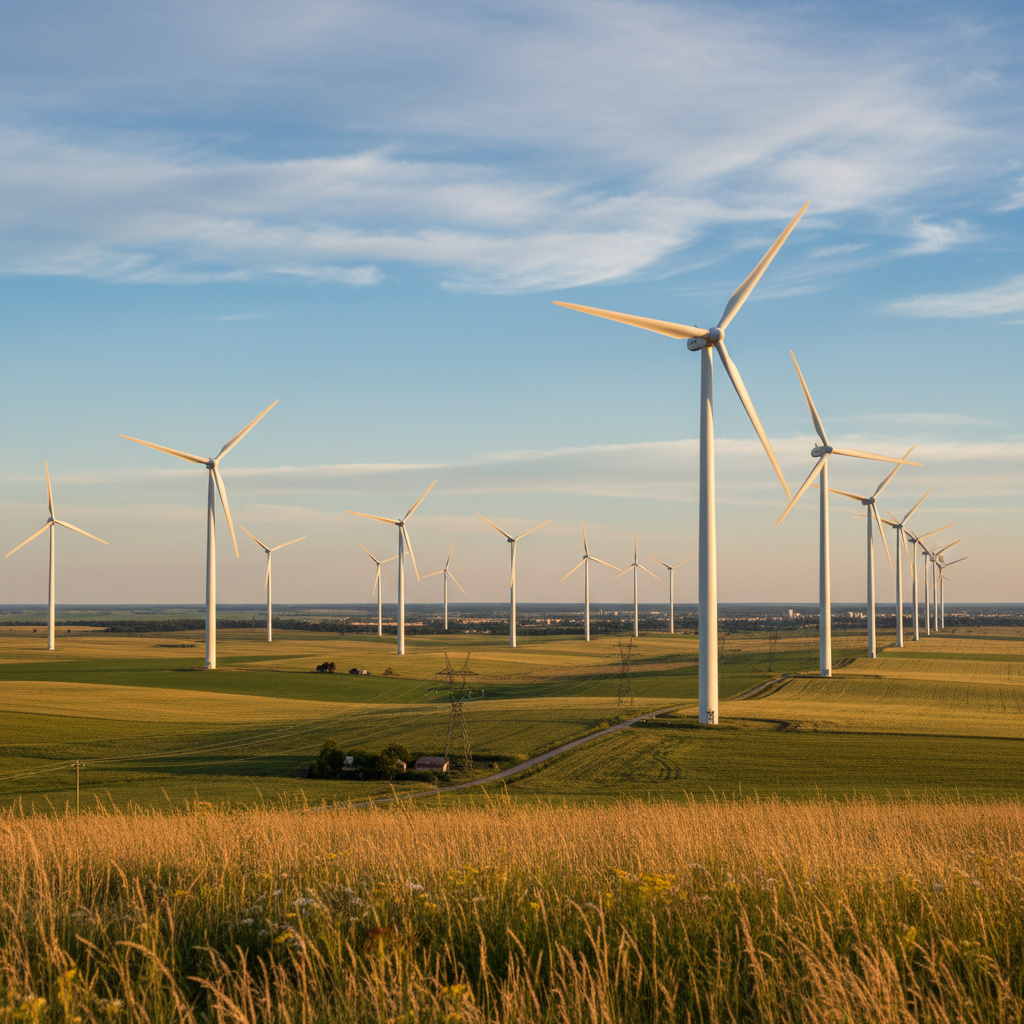
Wind farms have also faced a host of popular perceptions about their safety and security. While coal mines, oil fields, and nuclear power plants are generally far removed from the public, wind turbines are out in plain sight and often on ridgelines or on open plains. They are visible markers of the world being turned upside down by the energy transition—and thus have long been a magnet for critics and conspiracy theorists.
Stories about “wind turbine syndrome,” which is a “non-disease” in the words of medical experts, have been going around for years without any evidence. Conspiracy theories about wind turbines often double down on those “syndromes” by claiming the structures can lead to leukemia, obesity, electromagnetic poisoning, changes in blood pressure, insulin levels, and so on. A single wind turbine can have an associated Wikipedia page dedicated to listing all the false claims made about them.
In one paper, researchers led by Kevin Winter of the Technical University of Munich wanted to understand why some people in Germany opposed wind farm developments near their homes, while others did not. They interviewed 233 people, taking demographic information and factoring out age, gender, level of education, and political party.
Their results: Conspiracy thinking was much more predictive of wind farm opposition than any of the other information they gathered. This single factor “greatly outweighed any other aspect, including those that have traditionally been found to be the most influential in public acceptance of wind energy: age, gender, education, and political orientation.”
Wind farms are a highly visible target for conspiracy theorists because they stand out.
Two other surveys of attitudes toward wind turbines in the U.S., U.K. and Australia also found the same pattern. People who are more likely to believe conspiracy theories about climate change or “energy security” are also more likely to see wind turbines as a negative.
For this group, it does not matter if you post scientific evidence to Facebook about how wind farms do not poison groundwater, do not cause mass blackouts, do not kill whales, or cause other conspiracy theories attributed to them. Facts do not tend to matter or change these minds. Their position is rooted in a worldview, not just a misunderstanding.
Wind farms, being so large and visible, have become proxy battles in some ways. For some, they symbolize progress, innovation, and the necessary climate action. For others, they stand for the opposite: government control, loss of agency, and unwanted change.