- calendar_today April 9, 2026
NEW ENGLAND — In coastal towns across New England, marine debris art is making waves, transforming plastic pollution into compelling calls for ocean stewardship. Local artists are leading an innovative movement that merges creativity with environmental advocacy, using recovered materials to spark conversation and inspire change for the region’s communities.
Turning Pollution into Marine Debris Sculptures
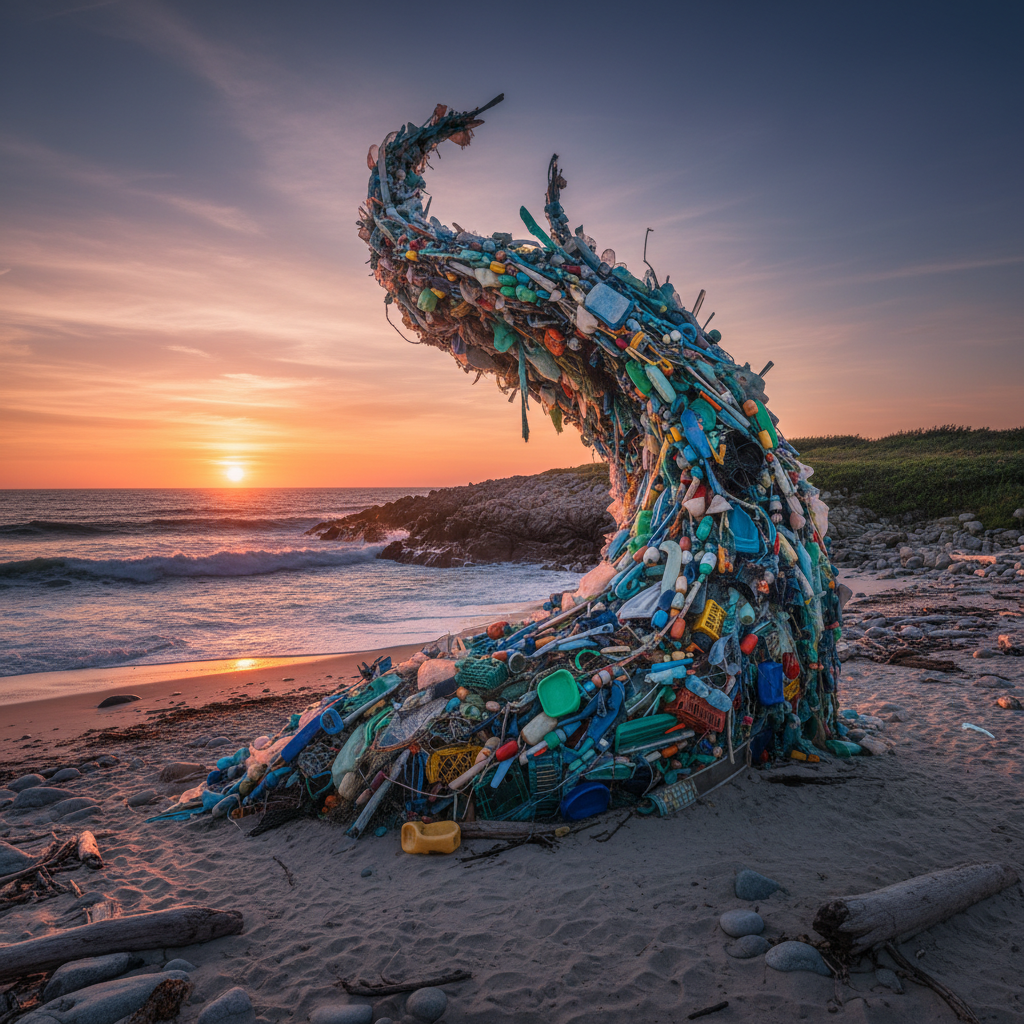
Artist Cindy Pease Roe exemplifies the power of marine debris sculptures through works such as “Mama Shug,” a striking 14-foot shark constructed from discarded plastics found along the shores of Cape Cod. Roe’s creations invite viewers to reflect on their own plastic consumption, delivering a vivid reminder of the plastic pollution challenges facing New England’s coasts.
Art as a Tool for Plastic Waste Awareness
Artists Suzanne Moseley and Adrienne Shishko are reimagining buoys and Styrofoam from area beaches, fashioning pieces that lay bare the tenacity and toxicity of marine debris. Their environmental art not only recycles ocean plastic but also amplifies the urgent need to address these persistent pollutants, urging both policymakers and the public to rethink the use of single use plastics.
Engaging the Community in Ocean Conservation
Community engagement is central to New England’s marine debris art movement. Jackie Ranney bridges local schools and organizations with environmental action by transforming collected beach trash into public displays that foster plastic waste awareness. Ranney’s collaborative approach expands the impact of beach cleanup efforts, encouraging Northeast communities to participate in the ongoing work of ocean conservation.
Data-Driven Solutions for Coastal Protection
The Center for Coastal Studies in Provincetown plays a critical role by collecting and cataloging debris found through local cleanups. This robust data informs the implementation of bylaws targeting the reduction of single use plastics in coastal towns. By sharing evidence of plastic pollution with legislators and stakeholders, the Center supports effective policies designed for lasting coastal protection.
Creative Advocacy for Systemic Change
Maine-based artist Pamela Moulton raises the profile of environmental art through immersive, large-scale installations constructed from recycled ocean plastic and repurposed fishing gear. Her projects mobilize residents in collaborative cleanups, demonstrating the power of collective action in safeguarding New England’s waterways. By advocating for measures such as extended producer responsibility, Moulton and her peers push for systemic solutions that address root causes of marine debris.
Inspiring the Next Generation of Stewards
Ultimately, marine debris art in New England is more than an artistic endeavor; it is a platform for advocacy, education, and connection. Through public installations and interactive events, these artists help instill an ethic of care for the ocean among new generations. Their work underscores the importance of plastic waste awareness, reinforces the broader movement for ocean conservation, and continues to inspire regional communities toward meaningful environmental stewardship.