- calendar_today August 10, 2025
A New Wave of Optimism Sweeps New England
New England markets are abuzz with fresh life after a shocking surge in the Dow Jones Industrial Average. The surprising increase followed a hint by former President Donald Trump of possible “flexibility” in American tariff policy—a move that is soothing investor jitters and spreading optimistic messages via Wall Street and Main Street.
Dow Jones futures gained more than 600 points, showing a new optimism among investors. Though Trump’s words were few, the consequences are gigantic—particularly for countries like New England deeply involved in international trade and manufacturing production.
Why It Matters to New England
New England, including Massachusetts, Connecticut, Rhode Island, Vermont, New Hampshire, and Maine, boasts a distinctly diversified economy. From Boston’s biotech laboratories to aerospace production in Connecticut and high-tech startups throughout the area, most companies depend significantly on foreign materials and overseas markets.
Tariffs on goods such as aluminum, steel, medical components, and electronics have been a bane to New England businesses for decades. Increased import costs have constricted profit margins, derailed supply chains, and made it more difficult to implement growth strategies for small and medium-sized enterprises (SMEs).
Now, with Trump’s suggestions of a gentler trade policy, much of the region’s industry is optimistic. If tariffs fall, that can save money, reduce inflation, and open up opportunities for access to world markets—a boon to New England’s economy.
Local Experts Weigh In
“Tariff uncertainty has been a major obstacle for New England businesses,” said Julia Hart, a Boston-based economic strategist. “When you’re importing raw materials or exporting high-tech products, trade policies can make or break your bottom line.”
She adds that a more flexible trade strategy could have a domino effect across sectors—from manufacturers and healthcare innovators to universities and retail.
Small and Mid-Sized Businesses Feeling the Change
It’s not only giant corporations that are pinching pennies. Smaller and medium-sized enterprises across the region are able to breathe a little easier. Such firms, which make up the majority of the New England economy, usually run on leaner margins and are more exposed to climbing import costs.
A recent study that was issued by the New England Council informed that the region’s economy depends almost 45% on international trade. Some of the major additions to this include the importation of high-tech components and specialty products and exports to Asia, Canada, and Europe.
New Hampshire’s high-tech manufacturing companies and Connecticut’s successful aerospace businesses are particularly upbeat. If the price of importing necessary metals or electronic parts drops, it could translate into increased profits and more hiring.
Investors Taking Notice
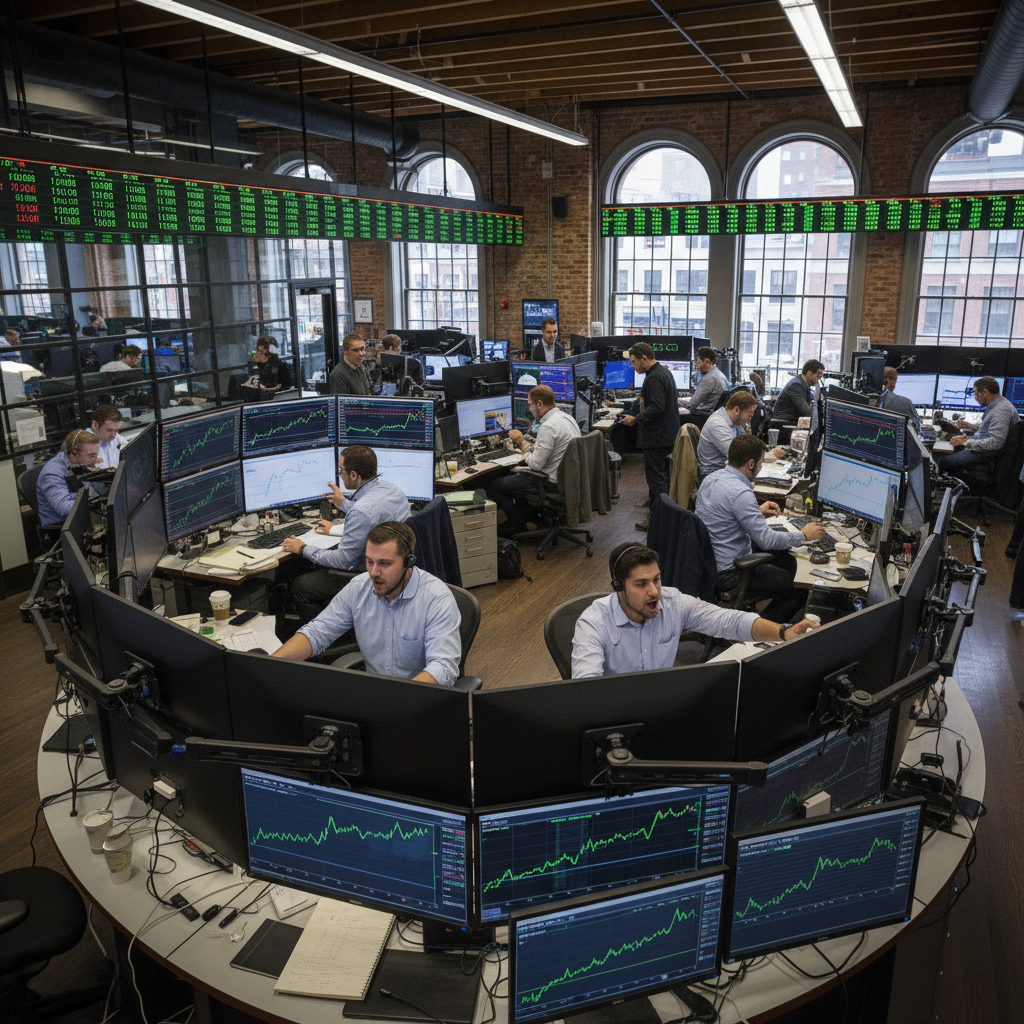
After the Dow Jones rally, New England stockbrokers and investment counselors experienced a huge spike in volume of transactions. Boston brokerage firms experienced more interest, specifically in consumer commodities, technology, and manufacturing shares—all the categories that stood to gain from decreased tariffs.
“Everybody’s being very prudent,” said Megan Daniels, a senior investment planner at a Cambridge-based investment firm. “They’re not celebrating with champagne corks or anything, but they’re going back into the market in a good way for sure.”
Client demand, as Daniels points out, is particularly directed at companies that have enormous international links or supply chains overseas since these types of firms can gain as much as soon as tariff accommodation becomes de jure policy.
On Looking Ahead: Cautiously Optimistic
While this most recent boost to the market is welcome, financial planners throughout New England are still being cautious. No White House confirmation has been given yet of changes to the tariff agreement, and Trump’s comments, while positive, were circumlocutious.
Absent further news, experts suggest that investors and businesspeople keep their eyes peeled but also level-headed. Policy adjustments—particularly with foreign trade—are lengthy and attuned to political pressures and negotiations.
But the momentum is genuine, and it’s providing the area with a welcome boost. It’s largely thought that if the trend continues, New England should experience more solid growth in the latter half of the year.
Conclusion: A Promising Signal for Regional Growth
The current Dow Jones rally after Trump’s comments on the flexibility of tariffs is more than a Wall Street tale—it’s a wave of optimism sweeping its way into companies, investors, and households throughout New England.
As influential sectors such as technology, manufacturing, and health care are so significantly exposed to global trade, any hint of tariff relief means hope for improved margins, greater job prospects, and improved economic performance.
While we await additional policy pronouncements, one thing is certain: New England is listening, and the reaction so far is one of hope and guarded enthusiasm.