- calendar_today April 21, 2026
New England is solidifying its reputation as a premier destination for winter huts, providing outdoor enthusiasts with unmatched opportunities to explore the region’s pristine backcountry. Organizations such as Maine Huts & Trails and Vermont Huts & Trails are pioneering innovative approaches to backcountry lodging, offering both adventure and comfort to visitors during the winter months.
Expanding Access to Winter Huts in Maine
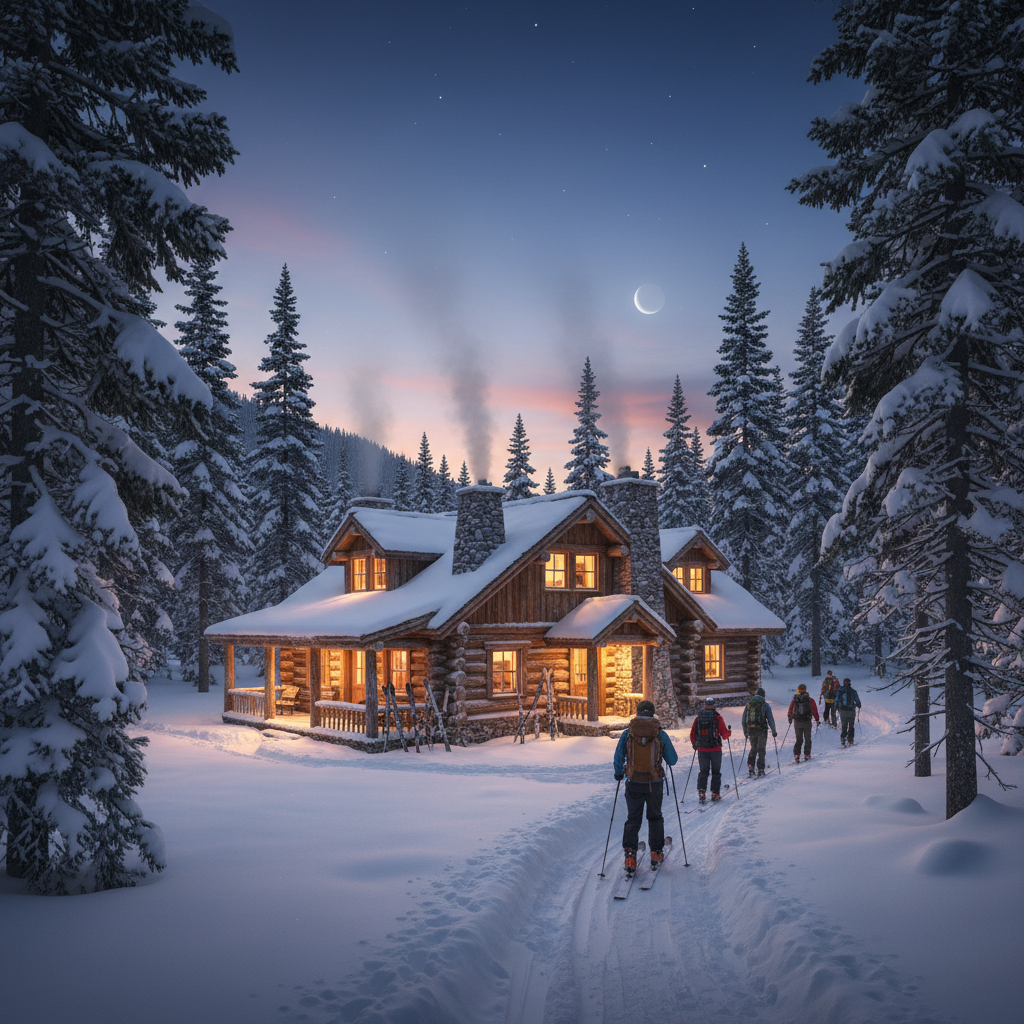
Maine Huts & Trails, one of New England’s most renowned outdoor nonprofits, operates a network of four ecolodges in the Western Maine backcountry. These Maine huts are strategically connected by trails exclusively accessible by snowshoes, cross country skiing, or fat-tire biking during winter. Each hut offers radiant floor heating and modern amenities while maintaining a communal and rustic ambiance. On weekends, hearty meals are served, enhancing the lodge experience and encouraging camaraderie among guests. Adventurers can curate their own journeys, opting to stay in a single lodge or embark on multi-hut treks across the wilderness. The popularity and accessibility of these ecolodges Maine are helping to attract a diverse range of visitors from across the region, including families and experienced trekkers alike.
The Vermont Huts & Trails Model
Across the border, Vermont Huts & Trails manages an impressive collection of 17 backcountry cabins and huts, extending the range of winter outdoor recreation in the state. These Vermont huts are designed for private group bookings, often nestled far from main roads and requiring a trek via ski or snowshoeing trails to reach. The facilities emphasize simplicity and self-sufficiency, providing essential amenities such as wood stoves and bunk rooms, while guests bring their own provisions and gear. Compared to traditional hotels or resorts, these private ski huts offer affordability without sacrificing the immersive wilderness experience. This approach to backcountry lodging supports both local tourism and conservation goals, inviting more people to experience Vermont’s forests in winter.
Blending Rustic Charm and Modern Comfort
What distinguishes these winter huts from conventional accommodations is their thoughtful blend of rustic charm with contemporary comfort. Radiant heating, efficient wood stoves, and communal dining areas come together to create warm, welcoming spaces. The design of both Maine huts and Vermont huts encourages travelers to disconnect from digital distractions and genuinely engage with the natural world. In a landscape where cold, silence, and untouched snow amplify the senses, guests of all backgrounds discover the restorative power of nature.
Supporting Local Communities and Inclusivity
Both Maine Huts & Trails and Vermont Huts & Trails share a commitment to expanding the enjoyment of winter outdoor recreation to broader audiences. Programs targeting marginalized groups and youth work to remove barriers to backcountry experiences. These outdoor nonprofits actively partner with regional schools, community groups, and conservation advocates across New England to foster environmental stewardship and ensure that the wonders of winter are accessible to all.
Winter Activities Beyond the Huts
Guests at these New England winter huts can pursue a host of cold-season activities. Miles of snowshoeing trails and cross country skiing routes link the huts, creating opportunities for both novices and seasoned explorers. Several huts sit near popular wildlife viewing areas, while others serve as launching points for winter fat-biking or photography outings. This variety enables guests to customize their adventures, whether they seek solitude in the woods or shared experiences with friends and family.
Looking Ahead to a Sustainable Future
As interest in eco-friendly travel and backcountry lodging continues to rise, Maine and Vermont are setting powerful examples for the rest of New England and beyond. The innovative models established by Maine Huts & Trails and Vermont Huts & Trails demonstrate how nonprofit leadership, community engagement, and responsible management can unlock new possibilities for winter recreation. For those seeking to experience the tranquility and challenge of the season, these organizations offer welcoming entry points to the wild, all while supporting sustainability and access in the region.