
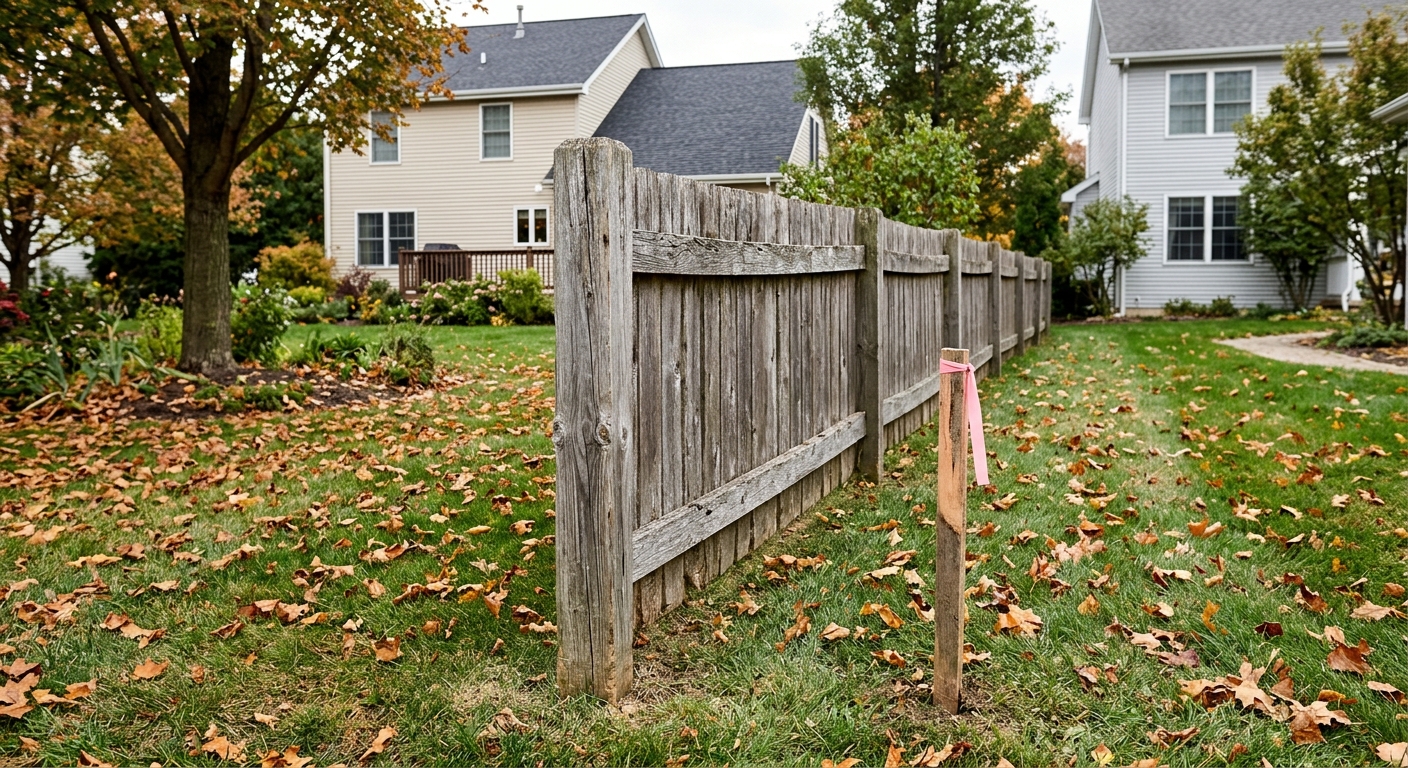
AI-generated illustration; not a photograph of the reported event.
- calendar_today November 12, 2026
The Historic Role of Fence Viewers in Massachusetts
Among Massachusetts’ official municipal roles, the Fence Viewer stands out for both its name and responsibilities. Mandated in all localities by state law, the Fence Viewer dates back to 1647, when the colonial government sought to protect crops from roaming cattle. The role originated as an authority for managing stray livestock and disputes over fences and property boundaries, laying the legal and social groundwork for current practice.
Modern Responsibilities: Mediation and Public Service
Today, the Fence Viewer continues to play a crucial part in resolving neighbor fence disputes. Residents turning to their Fence Viewer for help usually hope to avoid contentious and expensive legal outcomes. In towns like Lexington, volunteer Fence Viewers like David Burns mediate disagreements about fence size, materials, and placement. If these efforts fail, cases may escalate to the building commissioner or, ultimately, courts. In other municipalities such as Amesbury, the Fence Viewer is a paid position within Inspectional Services, overseeing permit reviews and ensuring compliance with local ordinances regarding fence height, materials, and location.
Professional Land Surveys: Defining Boundary Lines
Christine of Rutland, whose boundary line dispute with a neighbor began in 2020, underscores the importance of a professional survey before fence installation. Land surveyors, including professionals like Shaine Bonin, use existing physical features, deed records, and legal instruments to define property boundaries. While most surveyors agree on boundary lines thanks to common training, historical ambiguities sometimes arise, especially in older New England properties. In complex cases such as potential adverse possession—when ongoing use or occupation can impact ownership—boundary disputes may require clarification from attorneys and, if necessary, courts. Such litigation can be costly, sometimes reaching $40,000.
Choosing and Installing the Right Fence
Once property lines are clear, homeowners must select an appropriate fence. According to Michael Theriault of Reliable the Fence People in Woburn, four types are most popular in Massachusetts: cedar (noted for its aesthetics and New England suitability, with a lifespan of about 20 years), vinyl (offering longevity and affordability), aluminum (mimicking wrought iron, often used around pools), and chain link (the most economical option, common for larger yards or containing pets). Proper preparation—such as clearing brush and considering underground irrigation—and strict adherence to local ordinances are essential. For example, Newton limits solid fences to four feet in height along streets.
Soundproof Fences: Addressing Noise Concerns
Some homeowners erect fences to mitigate noise, particularly from roads or air conditioner units. Michael Bahtiarian, an acoustics expert with Acentech, explains that effective soundproof fences must block sightlines and carry sufficient weight (1 to 2 pounds per square foot). While industrial noise barriers can reduce sound by 20 decibels, residential fences typically achieve a reduction of approximately 5 to 10 decibels—enough for noticeable improvement. In some cases, soundproofing equipment at the source may be more effective than fence installation.
Maintaining Neighborly Relations
Even after legal or mediated resolution and fence installation, social harmony is not always guaranteed—as Christine’s experience with persistent neighborhood cats suggests. Nonetheless, the presence of a fence can deliver peace of mind and restore a sense of privacy and ownership. Massachusetts' enduring institution of the Fence Viewer continues to facilitate neighborly relations, balancing property rights with shared community standards.
Source: boston.com.


