
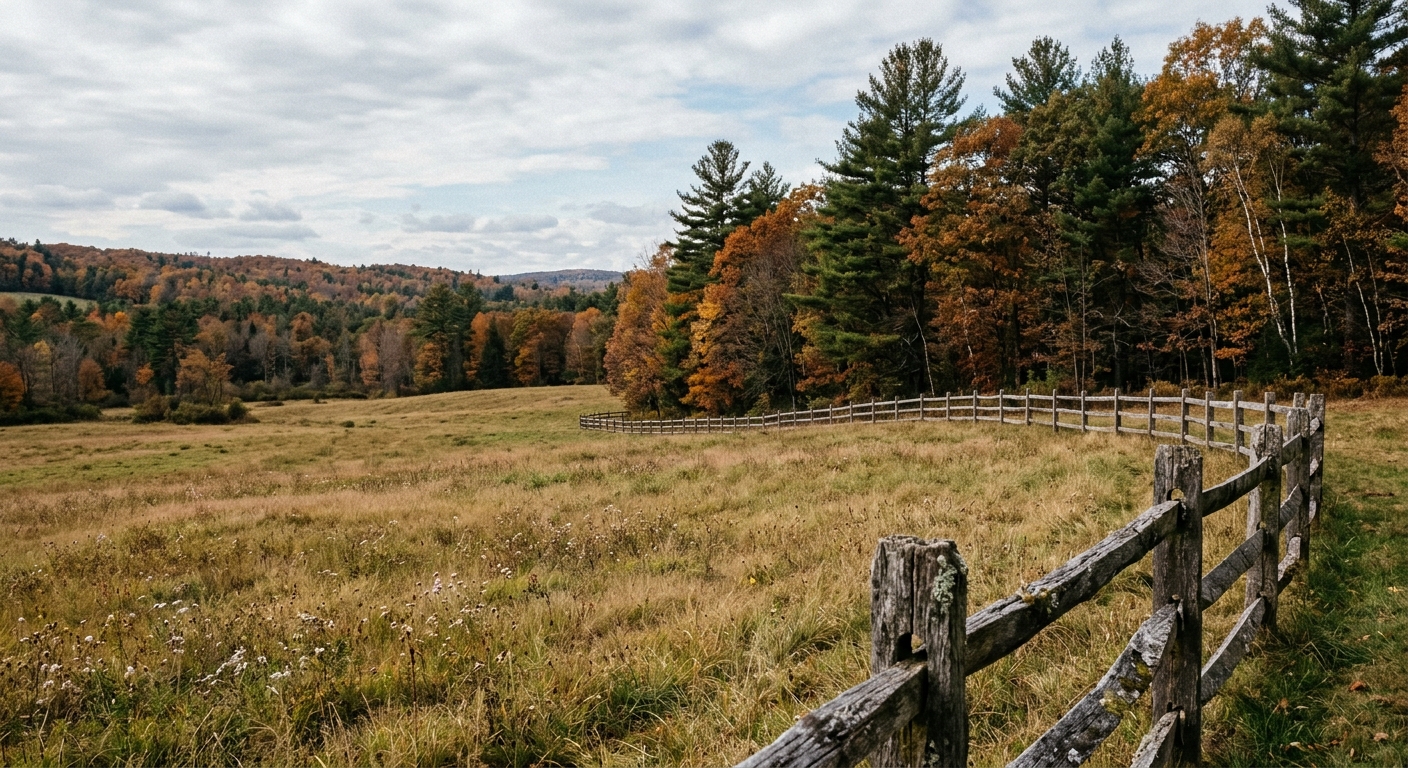
AI-generated illustration; not a photograph of the reported event.
- calendar_today November 2, 2026
Dorset Faces Key Vote on Housing Development Versus Green Space
On Tuesday, residents of Dorset, an affluent town in Bennington County, Vermont, will cast votes that could shape the future of housing and green space in their community. The issue centers on whether municipal land along Raptor Lane should be used for a housing project or preserved as open space adjacent to the town forest.
Background: Municipal Land and Community Priorities
The Town of Dorset acquired the land in question during a bargain sale in 2018. According to long-serving town manager Rob Gaiotti, the town solicited residents' input on potential uses for the property, identifying recreation, new town offices, housing, and energy generation as priorities. Since then, Dorset has developed mountain biking trails and relocated its municipal building to the site. In the past year, attention shifted toward housing development.
Need for Affordable and Varied Housing
A recent housing market analysis commissioned by Dorset painted a challenging picture: the average home price in town has surged to $709,000—twice its pre-pandemic value and triple what a local teacher can afford. Most homes in Dorset are large, single-family residences, and many are used as second homes or short-term rentals. Officials cite the need for smaller, more affordable homes for teachers and older residents looking to downsize as a primary motivation for pursuing new development on municipal land.
Development Proposals and Community Response
In 2025, Dorset sought proposals for the Raptor Lane site. S.M. Graves, a development firm based in Rutland, proposed building approximately 120 homes at various price points. This scale proved contentious in a town of just over 2,000 people, leading officials to table the proposal and seek further community input. Resident groups emerged, with some advocating for housing while others emphasized preserving green space.
Steven Zoric, a former seasonal resident who moved to Dorset full-time during the pandemic, is one of the leaders of Friends of Dorset, an anti-development group. "Keep Dorset the way it’s always been," said Zoric, voicing support for maintaining the land as a "pristine resource."
Scaled-Down Housing Project Heads to Vote
After extensive study and public engagement, town officials now propose a smaller development: up to 35 homes on 30 acres, representing about 10% of the town-owned property. Officials express interest in working with a nonprofit homebuilder, noting that the project's scale poses challenges for private developers to deliver workforce housing.
The upcoming vote is a preliminary measure. Residents will decide whether to approve the potential conveyance of land for building homes. If approved, the select board would be empowered to start discussions with potential developers. A "no" vote would force the town to reconsider strategies for the property, with possible alternatives including selling individual lots for single-family homes.
Debate Over Community Growth and Process
The ballot's wording has drawn criticism from opponents such as Zoric, who argue for greater clarity on details and costs. At the heart of the debate is the broader question of whether Dorset should pursue growth through increased housing stock or preserve its existing character and green space.
Ben Weiss, a longtime resident and retired software developer, has been involved in studying Raptor Lane's development potential. He views the opportunity for a denser housing initiative as unique—yet worries developer interest could vanish if residents reject the project. "I think that some of those groups are organized by people who, you know, were very scared of this large development going in in their backyard," Weiss explained, adding that community concerns have eased as the project's size has decreased.
Next Steps for Dorset
With the decision in voters' hands, the future of Dorset's Raptor Lane land remains uncertain. The outcome will play a significant role in determining whether the town takes steps toward accommodating more diverse and affordable housing options or preserves municipal green space for recreation and conservation.
Source: vtdigger.org.


